
Posted by Advantage Rigging on 16th Feb 2026
Inspecting Slings: Avoiding Common Mistakes for Safe Lifting | Advantage Rigging Gilbert, AZ
Slings do heavy work every day. A fast, real inspection helps prevent bad lifts, damaged loads, and avoidable downtime.
Walk onto almost any jobsite and you’ll see slings in constant use.
Chain slings. Wire rope slings. Synthetic web slings.
They handle heavy picks all day. And most of the time, nobody thinks twice about them.
The problem? Too many crews assume that if a sling “looks fine,” it’s ready to lift. That assumption is where small oversights turn into dropped loads, damaged equipment, and close calls nobody wants to explain later.
Inspecting slings isn’t paperwork. It’s one of the simplest ways to prevent a bad lift.
Here’s the short version:
- Inspect slings before each use, not just during scheduled checks.
- Know the difference between cosmetic wear and structural damage.
- Replace slings based on clear criteria, not guesswork.
- Watch how load angles, environment, and storage affect sling life.
What Sling Inspection Really Means
Sling inspection is a hands-on process. Not a quick glance from ten feet away.
It means checking:
- The full length of the sling
- All attachment points and fittings
- Identification tags
- Areas that see the most stress (eyes, choke points, edges)
Whether you’re using synthetic web slings, round slings, chain slings, or wire rope slings, each type has different failure modes. But the goal is the same: catch problems early.
Two levels generally apply:
- Frequent inspection – done by the user before each shift or lift.
- Periodic inspection – documented inspection by a qualified person at defined intervals.
Exact requirements vary by application and industry. Always refer to manufacturer guidance and applicable standards.
The Rating That Matters: Working Load Limit (WLL)
Every sling has a Working Load Limit (WLL).
The WLL is the maximum load the sling is rated to handle under specific conditions. It assumes proper rigging, no shock loading, and no damage.
What changes that rating?
- Load angle – as the sling angle decreases, tension increases.
- Choker vs. basket hitch – different hitches change capacity.
- Edge contact – sharp edges can reduce effective capacity and damage the sling.
- Wear and damage – cuts, heat, corrosion, and deformation reduce strength.
A sling that is technically “rated” for the load may still be overloaded if the angle is shallow or if there’s shock loading. That’s where planning matters.
What Actually Fails vs. What Just Looks Rough
One common mistake is replacing gear that looks ugly but is still serviceable, or worse, keeping gear that looks okay but is structurally compromised.
Here’s what to focus on.
Synthetic Web and Round Slings
Pay close attention to:
- Cuts, tears, or punctures
- Broken stitching in load-bearing areas
- Melted, hardened, or glazed fibers (heat damage)
- Chemical burns or unusual discoloration
- Missing or illegible tags
Light surface fuzzing from abrasion can be normal. Deep cuts that reduce width or expose internal yarns are not.
Heat damage is often underestimated. If fibers feel stiff or brittle, treat it as a serious warning sign.
Wire Rope Slings
Inspect for:
- Broken wires
- Kinks or birdcaging
- Crushing
- Severe corrosion
- Damaged end fittings
Limits vary by construction and location of damage. Clustered breaks, distortion, or severe corrosion are common reasons to remove from service.
Chain Slings
Look for:
- Stretched links
- Gouges or deep nicks
- Cracks
- Bent hooks
- Worn bearing surfaces
If a link is elongated or a hook throat has opened beyond manufacturer limits, it’s time to remove it from service.
Common Causes of Sling Damage
Overloading
Exceeding the Working Load Limit is one of the fastest ways to damage a sling. Overloading often happens because load weight was estimated, sling angles were ignored, or dynamic forces were overlooked.
Shock loading (jerking a load) can multiply forces above the static weight. Avoid “snatching” a lift.
Edge Contact
Sharp corners cut synthetic fibers and damage wire rope strands. Use proper edge protection where the sling contacts the load.
Poor Storage
Slings stored in wet, chemical, or UV-exposed areas degrade faster. Keep them clean, dry, and off the floor when possible.
Improper Application
Using a sling outside its intended use (side loading, poor hitch selection, wrong hardware) shortens sling life and increases risk.
Environmental Factors Like Heat, Corrosion, and Wear
Environment matters more than most crews realize.
- Heat can weaken synthetic fibers and alter metal properties.
- Cold can reduce flexibility and change handling characteristics.
- Moisture accelerates corrosion in wire rope and chain.
- Chemicals can silently attack synthetic materials.
If you’re working near heat sources, in coastal areas, or around corrosives, inspection frequency may need to increase. When in doubt, follow manufacturer guidance and involve a qualified person.
What Standards Generally Require
Standards from organizations like OSHA and ASME generally emphasize that slings must be inspected regularly, used within rated limits, and removed from service when damaged.
- Inspect slings before each use
- Remove damaged slings from service
- Use slings within their rated capacity
- Document periodic inspections as required
Exact requirements vary by jurisdiction and application. Always reference current regulations and manufacturer instructions.
Common Mistakes Crews Make
- Assuming a sling is safe based only on appearance
- Skipping pre-use inspections when the shift gets busy
- Ignoring sling angle effects on capacity
- Using slings with missing or unreadable tags
- Forgetting to document periodic inspections
The tag matters. If you can’t confirm capacity and sling type, you can’t confidently plan the lift.
Practical Checklist
Use this on the floor before the next lift:
- Run your hands along the full sling length (with gloves) to feel for damage.
- Check eyes, hooks, and fittings closely.
- Confirm the tag is present and readable.
- Verify the WLL matches the planned load and hitch type.
- Look at sling angles before tensioning the load.
- Protect edges before taking weight.
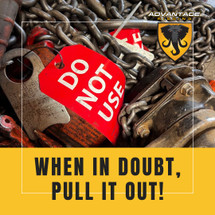
- Remove questionable gear and set it aside for review.
- Document periodic inspections as required.
If there’s uncertainty about damage or replacement criteria, don’t guess. Involve a qualified person.
Advantage Rigging works with industrial and commercial teams to help evaluate sling condition, clarify ratings, and support inspection and testing where needed. The goal is to keep lifts consistent and predictable.
Need a second set of eyes on your rigging?
Advantage Rigging helps customers choose, inspect, and replace lifting gear with clarity and confidence.