Posted by Advantage Rigging on 9th Jul 2025
Rigging Safety 101: Rules & PPE Essentials | Advantage Rigging
If you’ve ever been responsible for moving heavy loads on a job site, you know one thing: rigging safety isn’t optional. It doesn’t matter if you’re new to the trade or have years of experience—every lift has to be approached with respect and care.
At Advantage Rigging, we’ve spent more than 15 years helping crews like yours work safer, faster, and more confidently. Today, I want to walk you through the rigging safety fundamentals you need to know, including the personal protective equipment (PPE) that keeps you protected on the job.
What Does Rigging Mean?
Rigging is the process of attaching slings, chains, hooks, and other hardware to a load so it can be lifted and moved. You’ll find rigging work in construction, manufacturing, shipyards, and anywhere heavy materials need to be hoisted or secured.
Even if the process looks routine, there are no small details in rigging. A single oversight—like using a damaged sling or underestimating the load weight—can have serious consequences. That’s why it’s so important to follow the rules every single time.
Why Rigging Safety Should Always Come First
There’s no way around it: rigging accidents can be severe. Dropped loads can damage property, injure workers, and even cause fatalities. They also lead to project delays and unexpected costs that no company wants to face.
You can prevent most rigging hazards by combining the right equipment, proven safety procedures, and a focus on clear communication. If you take one thing away from this guide, let it be this: never assume everything is fine—inspect, double-check, and ask questions.
7 Rigging Rules You Should Never Skip
Here are seven core rules you’ll want to follow on every lift:
1. Inspect All Rigging Equipment Before You Use It
Before you attach a single hook, take time to look over every sling, shackle, and chain. Check for cuts, frayed areas, deformation, rust, or missing tags. If something doesn’t look right, tag it “Do Not Use” and remove it from service.
A few minutes of inspection can save lives.
2. Choose the Right Sling for the Load
Different loads and lifting conditions call for specific sling types:
-
Wire rope slings are strong and durable but can be damaged if kinked or crushed.
-
Chain slings are rugged and handle high temperatures but should never be twisted or stretched.
-
Synthetic slings are lightweight and flexible but can be cut by sharp edges or weakened by chemicals.
Always confirm your sling is rated for the working load you plan to lift.
3. Know Exactly How Much the Load Weighs
Guessing isn’t an option. Check the manufacturer’s information or weigh the load. Then, verify that every component in your rigging system has a working load limit higher than the load itself, including any reduction factors from sling angles.
4. Protect Slings from Edges
Sharp corners and rough surfaces can damage or sever a sling. Always use edge protection like wear pads or sleeves where the sling contacts the load. If you’re unsure which protective gear to use, Advantage Rigging can help you find the right solution.
5. Communicate Before and During the Lift
Rigging is a team job. Make sure everyone involved understands the lift plan, knows the signals you’ll use, and agrees on who’s in charge of the operation. Miscommunication is a leading cause of rigging incidents.
6. Never Stand or Walk Under a Suspended Load
This rule is non-negotiable. If a sling, hook, or connection fails, there is no time to get out of the way. Always stay clear of the load’s path and make sure your team does the same.
7. Lift and Lower Smoothly
Avoid sudden jerks or quick stops. Controlled, steady motion helps keep the load stable and reduces the stress on your equipment.
The Essential Rigging PPE You Should Be Wearing
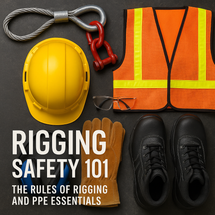
Personal protective equipment is your last line of defense. Make sure you have the right gear and that it’s in good condition. Here’s a checklist to start with:
-
Hard Hat – Protects your head from falling objects or overhead hazards.
-
Safety Glasses – Shields your eyes from debris and flying particles.
-
Gloves – Improves grip and protects your hands from cuts and burns.
-
Steel-Toe Boots – Keeps your feet safe if something heavy drops.
-
High-Visibility Vest – Helps everyone see you in busy work areas.
-
Hearing Protection – Important in environments with loud equipment.
Depending on your specific job, you might also need a fall protection harness or additional PPE. Always follow your company’s safety guidelines.
Quick Safety Reminders for New Riggers
If you’re new to rigging or haven’t worked with heavy lifting equipment in a while, keep these tips in mind:
-
Get Training: Always complete training before operating rigging gear. Regulations require it, and it’s the fastest way to build safe habits.
-
Ask Questions: If you’re ever unsure about a procedure or piece of equipment, stop and ask. There’s no such thing as a dumb safety question.
-
Stay Focused: Never work around rigging equipment if you’re tired, distracted, or under the influence of any substance.
-
Keep Learning: Standards change. Make it a habit to review updates and refresh your training regularly.
Common Rigging Mistakes to Watch Out For
Even experienced crews can fall into bad habits. Keep an eye out for these frequent mistakes:
-
Using equipment without identification tags
-
Exceeding rated capacities
-
Ignoring sling angle reductions
-
Lifting loads over people
-
Not balancing the load properly
-
Skipping safety meetings before the lift
If you can prevent these issues, you’re already ahead of the curve.
Why Companies Trust Advantage Rigging
At Advantage Rigging, rigging isn’t just what we do—it’s who we are. For over 15 years, we’ve supported Arizona businesses with the rigging equipment, inspections, and advice needed to get the job done safely and efficiently.
When you choose us, you get:
-
Certified rigging gear you can count on
-
PPE that meets industry standards
-
Friendly, knowledgeable support
-
Quick access to inspections and testing
Whether you need to replace a single shackle or equip your entire crew, we’re here to help.
Final Thoughts
Rigging work comes with serious responsibility. The good news is, you don’t have to figure it all out alone. When you combine thorough inspections, the right equipment, clear communication, and proper PPE, you’re setting yourself—and everyone on your job site—up for success.
If you have questions about gear or want help planning your next lift, let’s talk. Advantage Rigging is ready to be your partner in safer, more productive rigging.
Ready to upgrade your rigging equipment or schedule an inspection?
-
Call us today at 480-502-2225
-
Stop by our shop: 1482 W Scott Ave Suite 101, Gilbert, AZ 85233
-
Shop online any time at advantagerigging.com/shop
Stay safe and lift smart.