
Posted by Advantage Rigging on 26th Dec 2024
Why Lifting ‘Just a Little More’ Could Cost You Everything
At Advantage Rigging, we often hear the question: "Why can't I lift just a little more than the rated capacity?" The answer is simple - load limits aren't just numbers, they're your safety net. Let's break down why these limits matter and how to work with them safely.
What Are Load Limits?
Think of load limits like a car's speedometer. Just because your car can go 120 mph doesn't mean it's safe to drive that fast. Load limits tell you the maximum weight your equipment can safely handle under perfect conditions.
The Three Critical Numbers You Need to Know
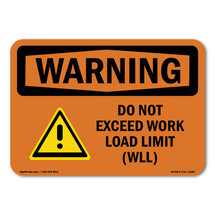
1.Working Load Limit (WLL)
a.The maximum load your equipment should lift during normal operations
b.Already includes a safety factor
c.Must never be exceeded
2.Break Strength
a.The point where your equipment will fail
b.Usually 4-5 times higher than the WLL
c.Never use this as your guide - it's for engineering purposes only
3.Design Factor
a.The relationship between break strength and WLL
b.Usually 5:1 for most rigging equipment
c.Higher for personnel lifting equipment
Why Load Limits Aren't Negotiable
The Hidden Dangers of Overloading
When you exceed load limits, you risk:
- Immediate equipment failure
- Hidden damage that shows up later
- Reduced equipment lifespan
- Serious accidents or injuries
- Legal liability
How to Calculate Safe Working Loads
Basic Load Calculation Formula
Safe Working Load = WLL × Environmental Factors × Angle Factors
For example:
- A sling rated for 1,000 lbs
- Used at a 45-degree angle (75% capacity)
- In perfect conditions
- Maximum safe load = 750 lbs
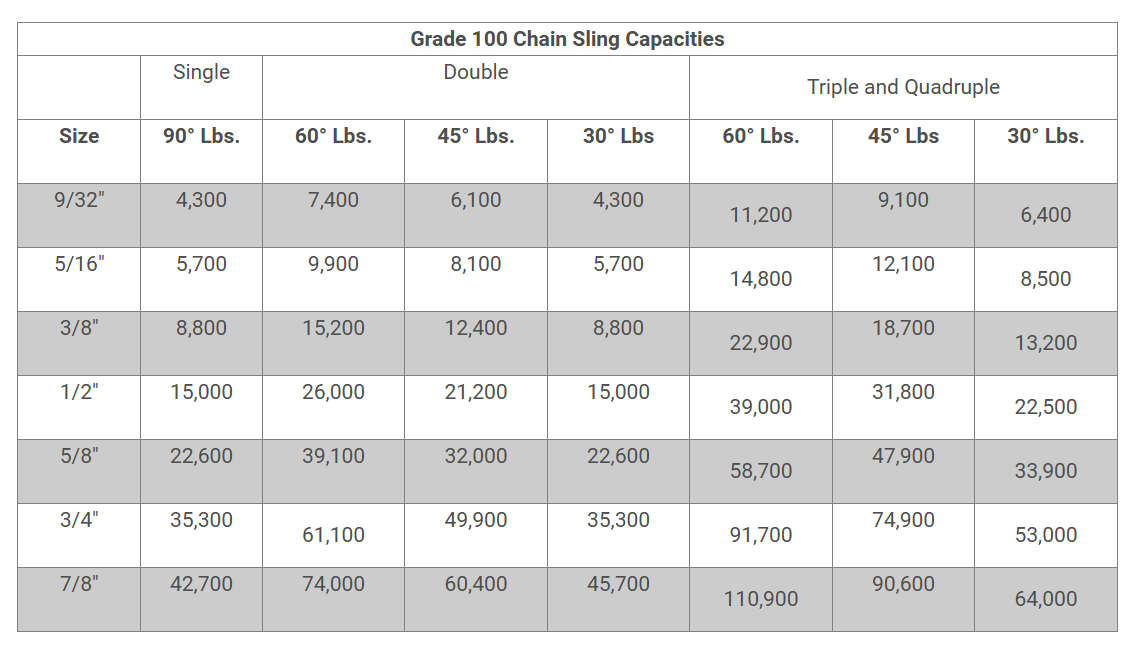
Check out advantagerigging.com/lifting-chain-slings/ for more information on lifting and our selection of lifting gear.
Factors That Reduce Load Limits
Remember these load-reducing conditions:
- Extreme temperatures
- Sharp edges
- Chemical exposure
- Age of equipment
- Multiple leg lifts
- Shock loading
Real-World Tips from Our Experts
Smart Load Management
1.Always Know Your Numbers
a.Check equipment tags and markings
b.Keep load charts handy
c.Document weights before lifting
2.Use the Right Tools
a.Match equipment to the job
b.Consider all environmental factors
c.When in doubt, go bigger
3.Regular Inspections Matter
a.Check equipment before each use
b.Look for wear and damage
c.Document your findings
Professional Load Testing Services
At Advantage Rigging, we offer:
- Load testing certification
- Equipment inspection
- Safety training
- Expert consultation
Need Help with Load Calculations?
Don't guess - let our experts help you determine safe working loads for your specific application.
Contact Our Load Testing Experts:
- Phone: 480-502-2225
- Email: spope@advantagerigging.com
- Address: 1482 W Scott Ave. Suite 101, Gilbert AZ 85233
- Website: www.advantagerigging.com
Load Angle Quick Reference Chart
| Sling Angle | % of Rated Capacity |
| 90° | 100% |
| 60° | 87% |
| 45° | 75% |
| 30° | 50% |
Common Load Limit Mistakes to Avoid
1.Ignoring Angle Effects
a.Always calculate angle impacts
b.Use proper rigging angles
c.Remember: lower angles = lower capacity
2.Forgotten Forces
a.Account for dynamic loads
b.Consider wind effects
c.Factor in load movement
3.Skipping Math
a.Always calculate total weight
b.Include rigging gear weight
c.Add safety margins
Top Safety Reminders
- Never exceed Working Load Limit (WLL)
- When in doubt, use a higher capacity
- Document all calculations
- Train all operators
Disclaimer: This guide provides general information. Always consult manufacturer specifications and qualified professionals for specific load calculations.
Sources:
- OSHA's Guide to Sling Safety
- ASME B30.9 Sling Safety Standards
- Web Sling & Tie Down Association Standards
- Crane Manufacturers Association Guidelines
- Industrial Fasteners Institute Technical Standards
Need Professional Guidance?
Trust Advantage Rigging for all your load testing and rigging needs. We ship nationwide and provide expert consultation for any lifting challenge.
Remember: Understanding load limits isn't just about following rules - it's about going home safe every day.